Rotterdam Shore Power
Sustainability through electrification is no longer limited to the roads. The maritime sector is also taking a major step towards a cleaner future. Rotterdam Shore Power, for example, is investing on a large scale in the development of shore power facilities. This is no ordinary project; it is currently the largest shore power project in the world. Thanks to this development, large ocean-going container vessels will be able to receive electricity at the quay in multiple ports in the future, rather than relying on polluting diesel generators. Our grant specialists supported Rotterdam Shore Power in applying for CEF AFIF and the Dutch programme ijdelijke subsidieregeling walstroom zeeschepen klimaat 2024–2026.
Largest shore power project in the world
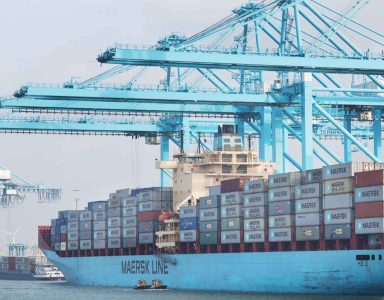
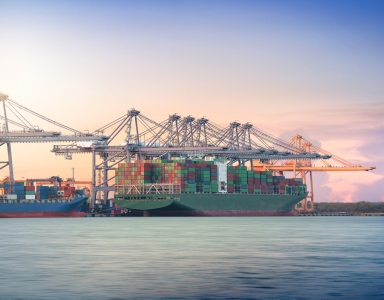
Rotterdam Shore Power (RSP) is delivering a total of 8 kilometres of shore power infrastructure across three leading container terminals: APM Terminals Maasvlakte II, Hutchison Ports ECT Delta and Hutchison Ports ECT Euromax. In total, 35 connection points will be installed, enabling ocean-going container vessels to operate fully electrically while loading and unloading.
At ECT Euromax and APMT Maasvlakte II, 8 connection points will be installed along each 2-kilometre quay. ECT Delta, which consists of three quays with a combined length of 4 kilometres, will receive no fewer than 19 connection points. This infrastructure will make it possible to supply vessels with electricity at the quay, resulting in a significant reduction in emissions.
Collaboration with Hezelburcht
The specialists at Hezelburcht supported Rotterdam Shore Power in securing funding for the electrification and sustainability of all three terminals. Assistance was provided with the application for the Dutch grant Tijdelijke subsidieregeling walstroom zeeschepen klimaat 2024–2026 for the installation of shore power facilities, and our specialists helped prepare a CEF AFIF application aimed at projects that contribute to the deployment of zero-emission alternative fuels.
Both applications were successfully approved. As a result, all three terminals are expected to be able to provide vessels with shore power within two to three years, enabling Rotterdam Shore Power to contribute to a more sustainable and future-proof maritime sector.