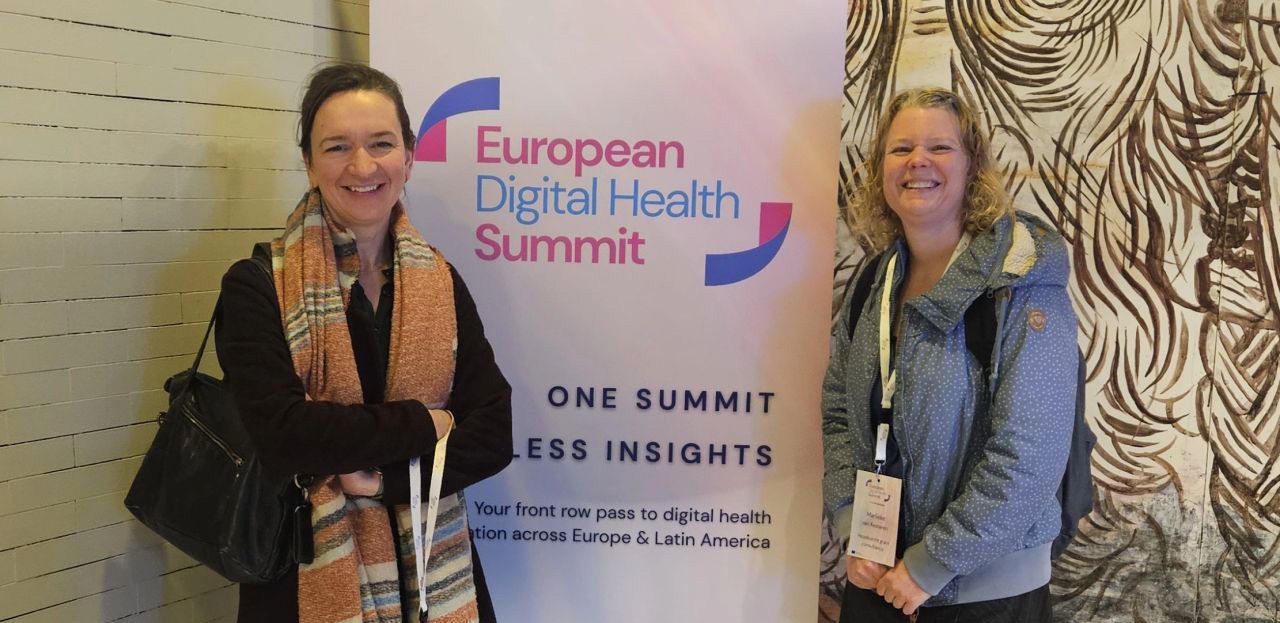
An impression of the European Digital Health Summit 2025
A brief impression of the European Digital Health Summit by Senior Consultant Marlieke van Kesteren of team Life Sciences & Health at Hezelburcht:
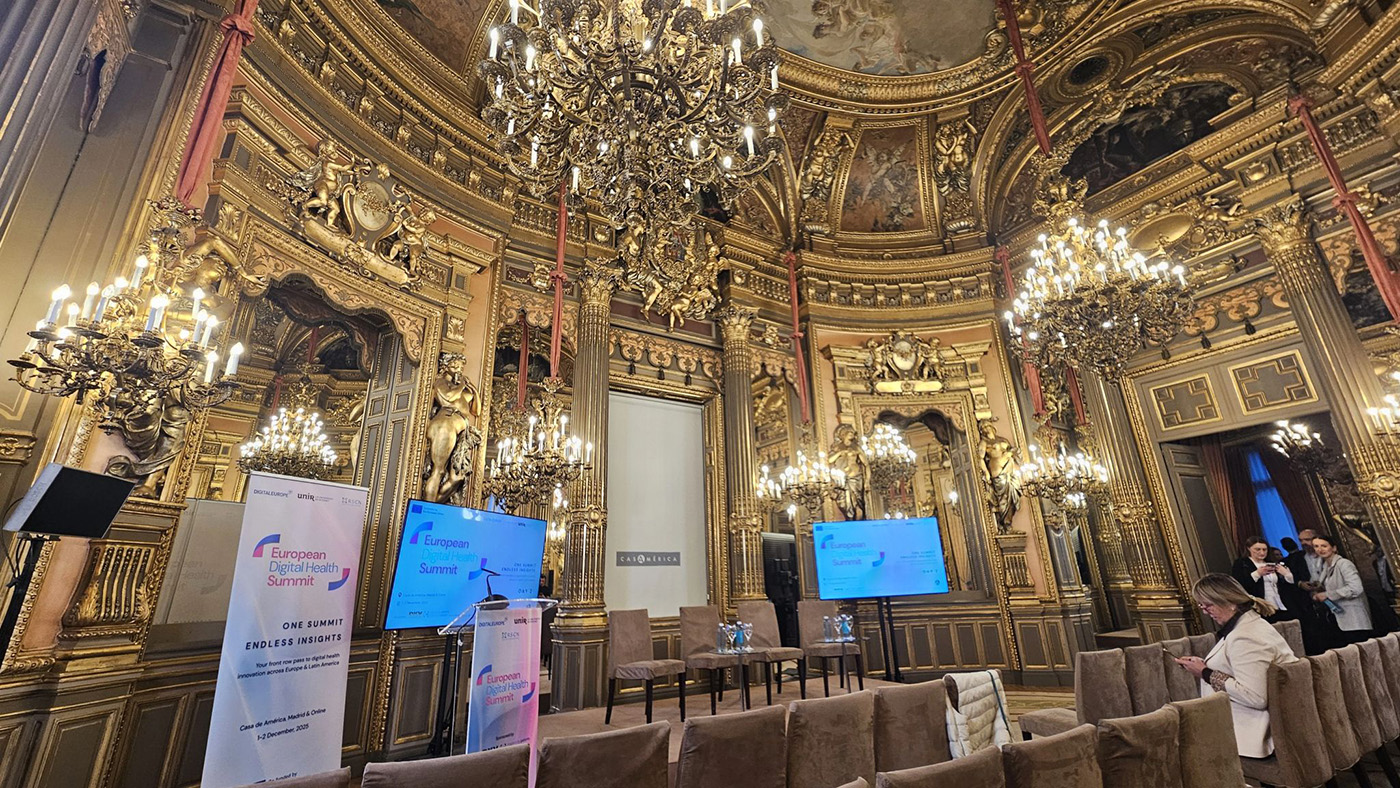
Casa de América: an impressive building in the heart of Madrid. Picture marble corridors and Gothic halls adorned with gold leaf. This was the chosen venue for the European Digital Health Summit 2025, a meeting focused on the EU4Health programme with a specific emphasis on Digital Health. The event brought together policymakers, industry representatives, clinicians, and scientists to jointly discuss this important topic.
My colleague Nina van der Vaart and I attended the event to learn more about Europe’s vision for the future of Digital Health. In the opening keynote, former Finnish Prime Minister Esko Aho immediately set a provocative tone by highlighting a lack of vision: “Europe has been sleepwalking!” According to him, the solution lies in defining a “concept”—a compass within which everyone can freely innovate, without following the rigid, top-down strategies so often favoured by the EU.
AI in Healthcare
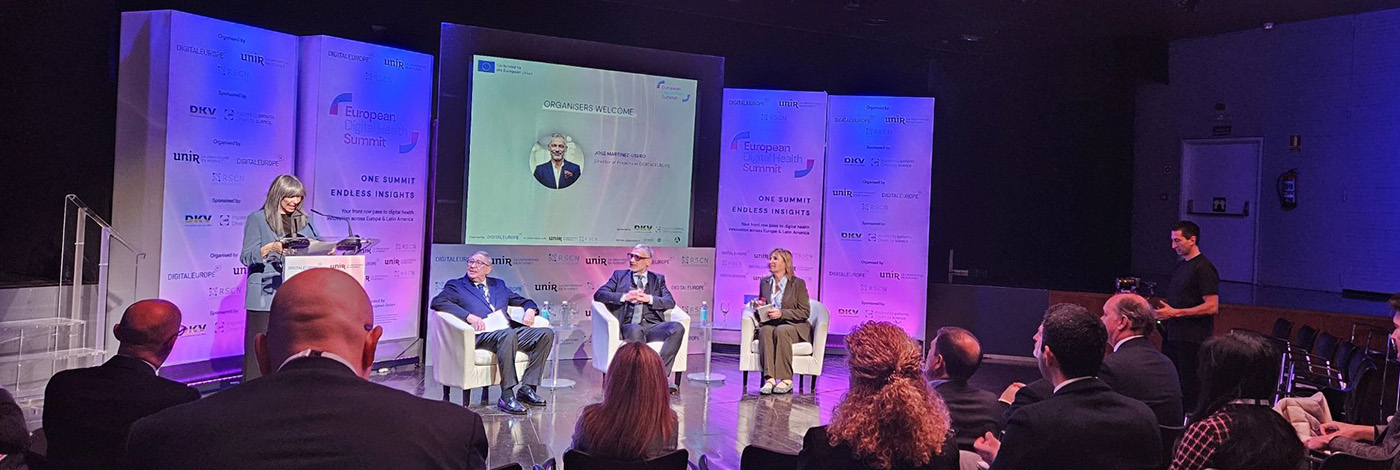
During a subsequent panel session on “AI in healthcare”, concrete examples of such innovations were discussed. Among the speakers was Rob Smeets from Philips, who shared how they are developing AI to accelerate and improve MRI scans. The biggest bottleneck at the moment, he noted, is the lack of access to high-quality data to train AI models—a point echoed in the second panel session on “Strengthening health systems resilience.” Lola Rebollo Revesado from Cloudera, an American data platform company, underscored this issue with a striking remark: “We’ve built a mess!” Both sessions concluded that more private funding should be mobilised to address these challenges.
Awareness
Day 2 of the summit, which we could only attend in the morning, consisted of breakout sessions on specific topics such as data standardisation, cybersecurity, and antimicrobial resistance. The general conclusion: the EU is making good progress, but we are far from there yet. A recurring keyword in these sessions was “awareness”—among EU member states, patients, clinicians, and the general public. To effectively embed digital health systems in European society, everyone must understand their importance: Why is it useful to share your data? Why doesn’t antibiotics work against every illness? How can we use AI most effectively for prevention and prediction?
Freer Innovation
To achieve this ultimate goal, the EU must dare to step out of its ivory tower, because its beloved top-down strategies alone are not enough to bring about real change. We therefore expect to see more funding opportunities within European programmes that focus on public-private partnerships, with significant co-financing from industry and concrete implementation strategies co-created with end users.